
What Is the Difference Between Basic and Advanced Craft Beer Equipment?
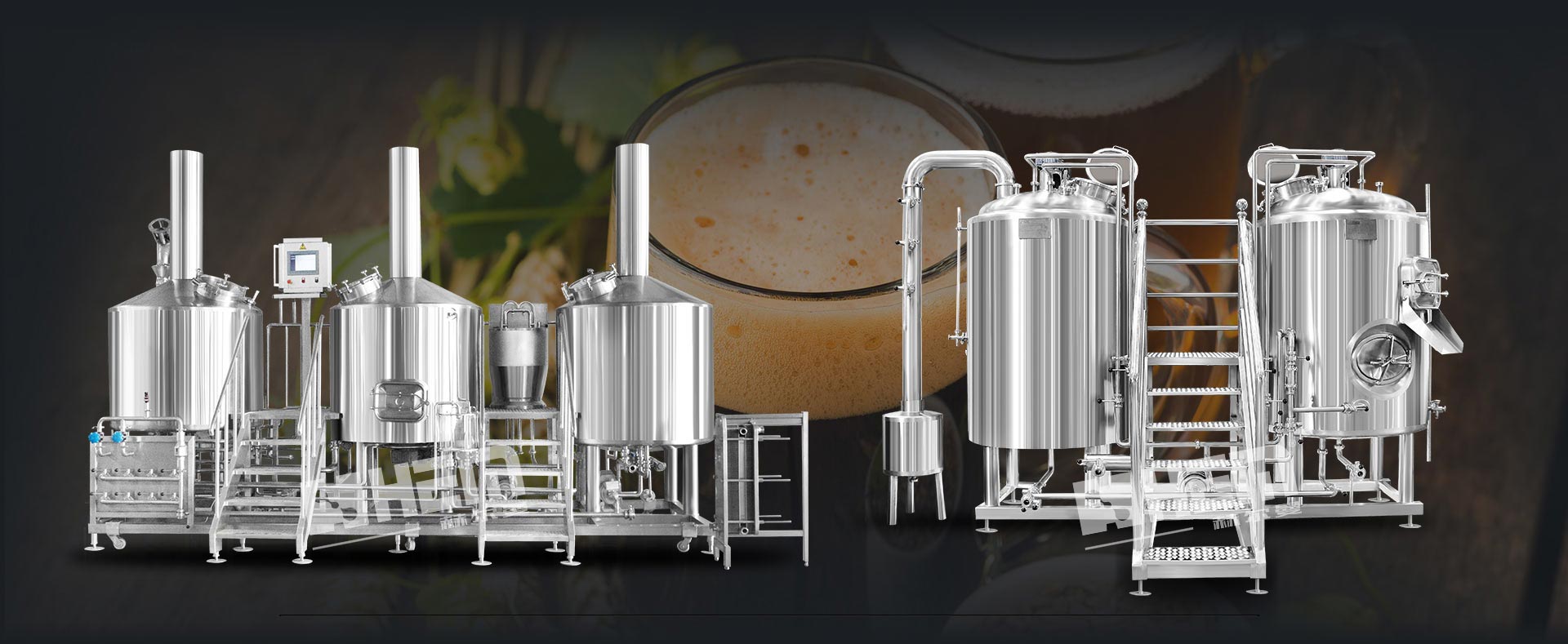
Basic and advanced craft beer equipment differ in automation, production scale, process accuracy, and operating efficiency. Basic systems are suitable for small breweries producing limited batches, while advanced systems support larger production with automated controls, precise temperature management, and improved consistency. A 5-barrel manual system may require several hours of operator supervision per batch, whereas a 30-barrel automated Brewhouse can reduce manual adjustments through PLC control and digital sensors. Equipment selection affects beer quality, labor needs, and long-term production costs.
Craft beer equipment has developed from simple manual brewing setups into highly controlled production systems. In 2023, the global craft beer market included more than 26,000 breweries in the United States alone, with many producers using different levels of brewing technology depending on their output. A small brewery making 100–500 barrels per year usually focuses on flexibility and lower startup costs, while a regional brewery producing 5,000+ barrels annually often requires automated systems to maintain consistent batches.
“Brewing equipment should match production plans. A small brewery does not always need industrial automation, but a growing brewery often needs better process control.”
Basic craft beer equipment normally includes a mash tun, kettle, fermenters, pumps, and packaging tools. These systems allow brewers to control each brewing stage manually. Operators measure ingredients, adjust temperatures, transfer liquids, and monitor fermentation by hand.
A small 3-barrel brewing system may produce around 93 gallons per batch. For brewpubs serving local customers, this production level can be enough because freshness and recipe variety are often more important than high output. However, manual operation requires more labor time, and differences between operators can create changes in flavor.
The limitations of manual systems become more noticeable when production volume increases. A brewery making 10 batches per week may spend 30–50 hours on brewing-related tasks, including preparation, monitoring, cleaning, and transfers. This requirement leads many expanding breweries to consider more advanced equipment.
Advanced craft beer equipment introduces automation, larger capacity, and improved process monitoring. Commercial systems commonly include automated grain handling, programmable temperature controls, digital sensors, and integrated cleaning systems.
A modern 20–100 barrel brewhouse can store multiple recipes and repeat brewing programs with limited manual adjustment. PLC systems monitor temperature, pump operation, and timing, allowing brewers to maintain similar conditions across hundreds of batches.
The difference between these systems becomes clear during the mash process. Mashing requires accurate temperature control because enzymes convert starches into fermentable sugars within specific temperature ranges.
Basic systems often rely on manual temperature checks. Temperature changes of 1–2°C can affect sugar extraction and final beer characteristics. Advanced systems use automated heating and sensor feedback, with some commercial equipment maintaining temperature accuracy within approximately ±0.2–0.5°C.
| Feature | Basic Equipment | Advanced Equipment |
|---|---|---|
| Typical size | 1–5 barrels | 10–100+ barrels |
| Operation | Manual | Automated or semi-automated |
| Temperature control | Basic monitoring | Digital sensors and PLC control |
| Recipe management | Manual records | Stored programs |
| Cleaning | Manual cleaning | CIP systems |
| Expansion | Limited | Designed for higher production |
Temperature control also affects fermentation quality. After brewing, yeast activity depends on stable fermentation conditions. Small changes in fermentation temperature can influence alcohol production, aroma compounds, and yeast performance.
Basic fermentation setups usually use standard stainless steel tanks with manual cooling control. Brewers check temperatures and adjust cooling systems when needed.
Advanced breweries often use jacketed conical fermenters with automatic temperature regulation. These tanks allow separate control of fermentation stages, including cooling, maturation, and carbonation. Some systems also allow yeast collection from the bottom of the tank for reuse.
“A controlled fermentation environment helps breweries produce the same beer profile from one batch to the next.”
The equipment difference also appears in cleaning processes. Sanitation requires careful handling because microorganisms can affect beer quality. Manual cleaning methods depend heavily on operator procedures and inspection.
Advanced breweries commonly use Clean-In-Place systems, known as CIP. These systems circulate cleaning solutions through tanks and pipelines without removing equipment parts. A CIP cycle may reduce cleaning time by 30–50% compared with fully manual cleaning methods.
Energy use is another area where equipment design matters. Basic systems usually have lower purchase costs but may use more labor and energy per barrel as production increases.
Advanced brewhouses often include better insulation, steam heating systems, and heat recovery methods. Some breweries reuse heat from wort cooling to warm water for later brewing stages. This approach can reduce energy consumption by approximately 10–20% depending on system design and production conditions.
Packaging equipment also separates basic and advanced operations. Small breweries may use manual bottle fillers, small canning machines, or kegging systems. These solutions work well for local distribution but require more labor.
Larger breweries often use automated filling lines capable of processing thousands of cans or bottles per hour. These systems improve packaging speed and reduce oxygen exposure during filling.
| Production Type | Recommended Equipment Level |
|---|---|
| Home-scale brewing | Basic brewing tools |
| Brewpub production | Small manual or semi-automatic system |
| Local commercial brewery | Semi-automatic brewhouse |
| Regional distribution brewery | Advanced automated system |
The financial difference between basic and advanced equipment is significant. A small manual brewing system may cost tens of thousands of dollars, while a complete automated commercial setup can require several hundred thousand dollars.
However, equipment cost should be considered together with production goals. A brewery producing 300 barrels annually may not use the full capacity of a large automated system. A brewery planning 10,000 barrels annually may spend more money later if it starts with equipment that cannot support expansion.
Equipment maintenance is also different. Basic systems usually have fewer electronic components, making repairs simpler. Advanced systems provide more functions but require trained technicians for automation controls, sensors, and software.
The choice between basic and advanced craft beer equipment depends on several factors:
-
Annual production target
-
Number of beer styles produced
-
Available labor
-
Distribution plans
-
Required consistency level
-
Future expansion goals
A startup brewery producing seasonal beers may prefer flexible manual equipment. A brewery supplying supermarkets, restaurants, or multiple locations usually benefits from automated systems because production consistency becomes more important as volume increases.
Advanced equipment does not replace brewing knowledge; it provides more control over the brewing process. Brewers still need recipe development, ingredient selection, and quality management skills.
The craft beer industry continues to combine traditional brewing methods with modern technology. Basic equipment provides accessibility and flexibility for smaller producers, while advanced systems provide automation, higher output, and stronger process control for growing breweries. Selecting the right equipment allows breweries to maintain product quality while matching their production capacity and business plans.
هل تبحث عن شريك تقني لمشروع مؤسسي؟
فريقنا من 85 مهندساً معتمداً جاهز لمناقشة متطلباتك وتقديم عرض سعر مخصّص خلال 48 ساعة.
احجز استشارة تقنية مجانية ←